
Ten Billion Dollars, and They’re Still in Excel
FP&A Coin · Fall 2026
What a decade of FP&A deal flow says about who gets paid, and for what — and what it means for owners, operators and sponsors in the Office of the CFO.
A decade of venture capital went into planning software. Only two companies have returned it at scale: Anaplan, sold to Thoma Bravo for $10.4B in 2022, and OneStream, taken private by Hg for $6.4B in 2026.1,16 Meanwhile, 96% of FP&A teams still plan in a spreadsheet, even though 71% of them own an EPM tool.7 The work underneath the software is still done by people, billed by the hour or by a fixed fee, and almost never priced on the outcome.
Both facts are true, but only one of them has become a category that investors pay for. My read after screening 208 firms against this thesis: software monetized FP&A, and services still monetize the hour. The next premium goes to the firm that closes that gap — FP&A delivered as a service, on software it owns, priced on outcomes. At $1–50M of revenue, that firm barely exists yet.
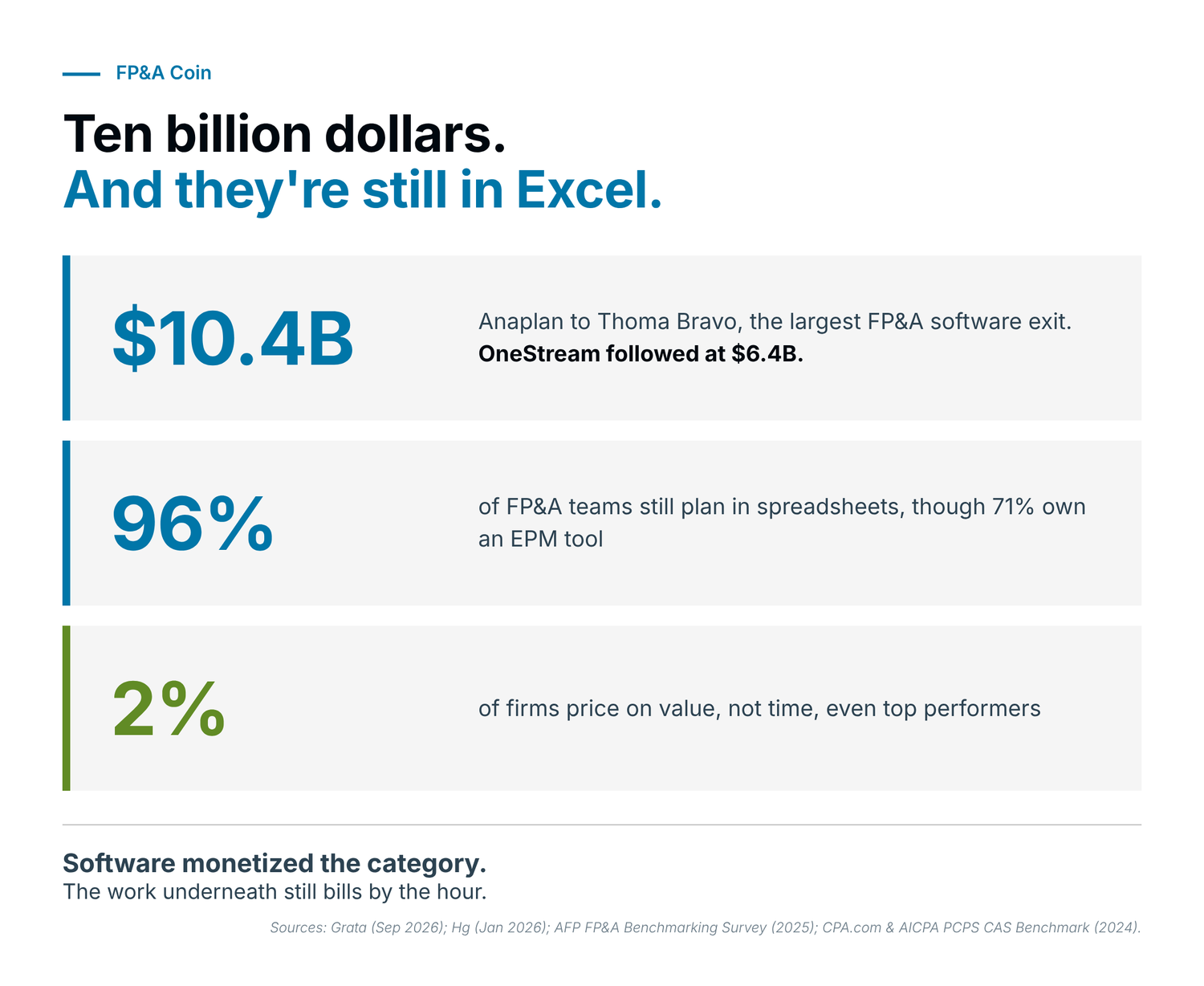
Figure 1 — Ten billion dollars, and they're still in Excel.
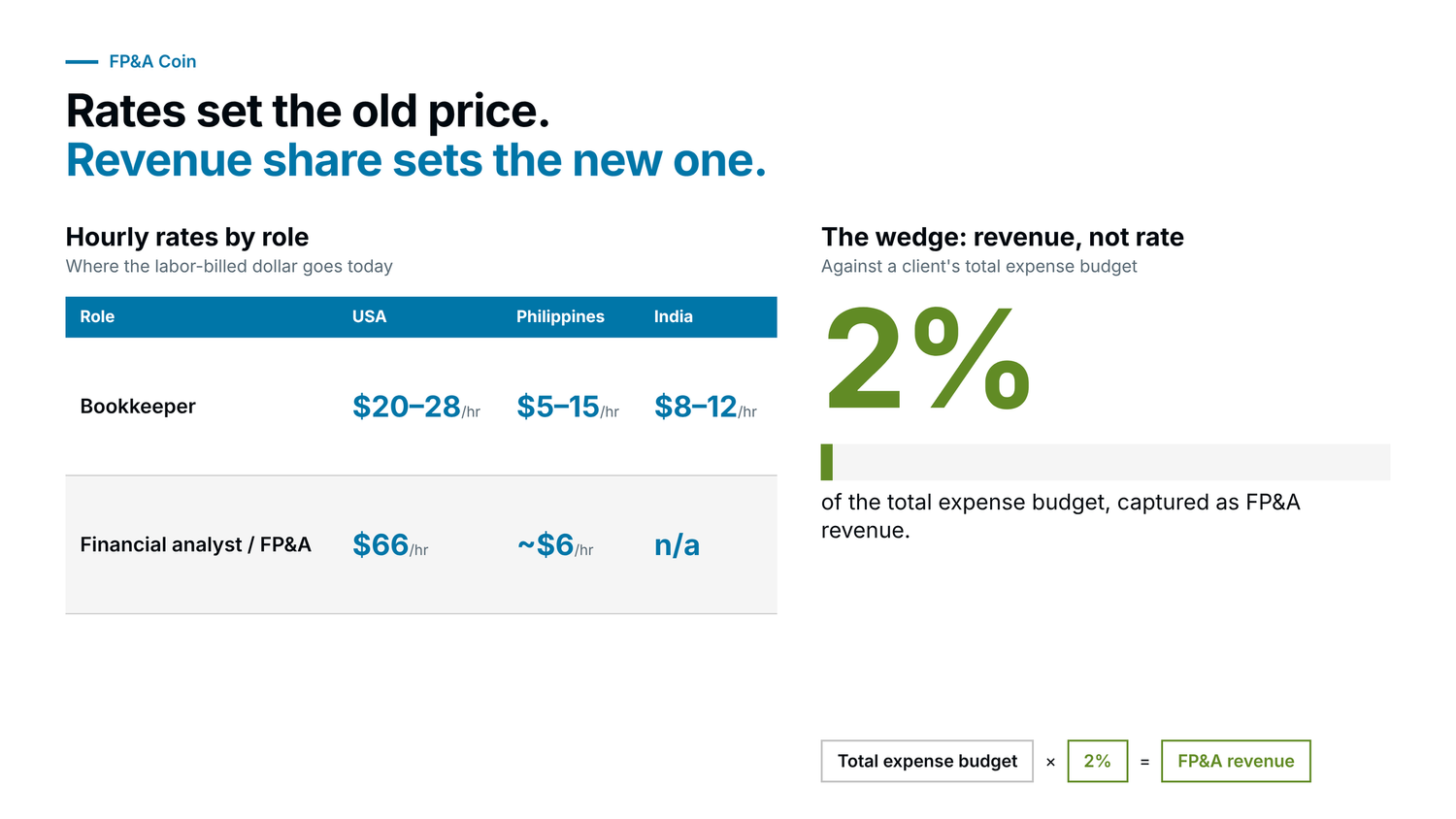
Figure 2 — Rates set the old price. Revenue share sets the new one.
Start with what the CFO actually buys
Outside financial services, the CFO's stack runs as a loop: Record (the ledger and ERP), Plan (FP&A and CPM), Execute (P2P, O2C, treasury, tax) and Control (close, consolidation, GRC). Planning is the step where software got the exit multiple, and also where the delivery is still overwhelmingly manual.
To grade the firms delivering that planning work, this analysis uses five levels of FP&A maturity: (1) reporting and implementation, (2) ad hoc and annual planning, (3) continuous planning, (4) true decision support and (5) outcome-owned FP&A. Most providers we screened sit at Levels 1 and 2.
Why now
Six numbers explain the timing. On the finance side, the median month-end close still takes 6.4 days8, and only 17% of finance teams have AI in a core workflow.9 On the services side, the shift has already started: hourly billing fell from 53% of accounting-services firms in 2018 to 10% in 2024, 84% now charge a fixed fee, and median CAS revenue grew 61% year over year.6 Yet only 2% price on value rather than time. The labor-billed model is plateauing just as the capability to replace it arrives.
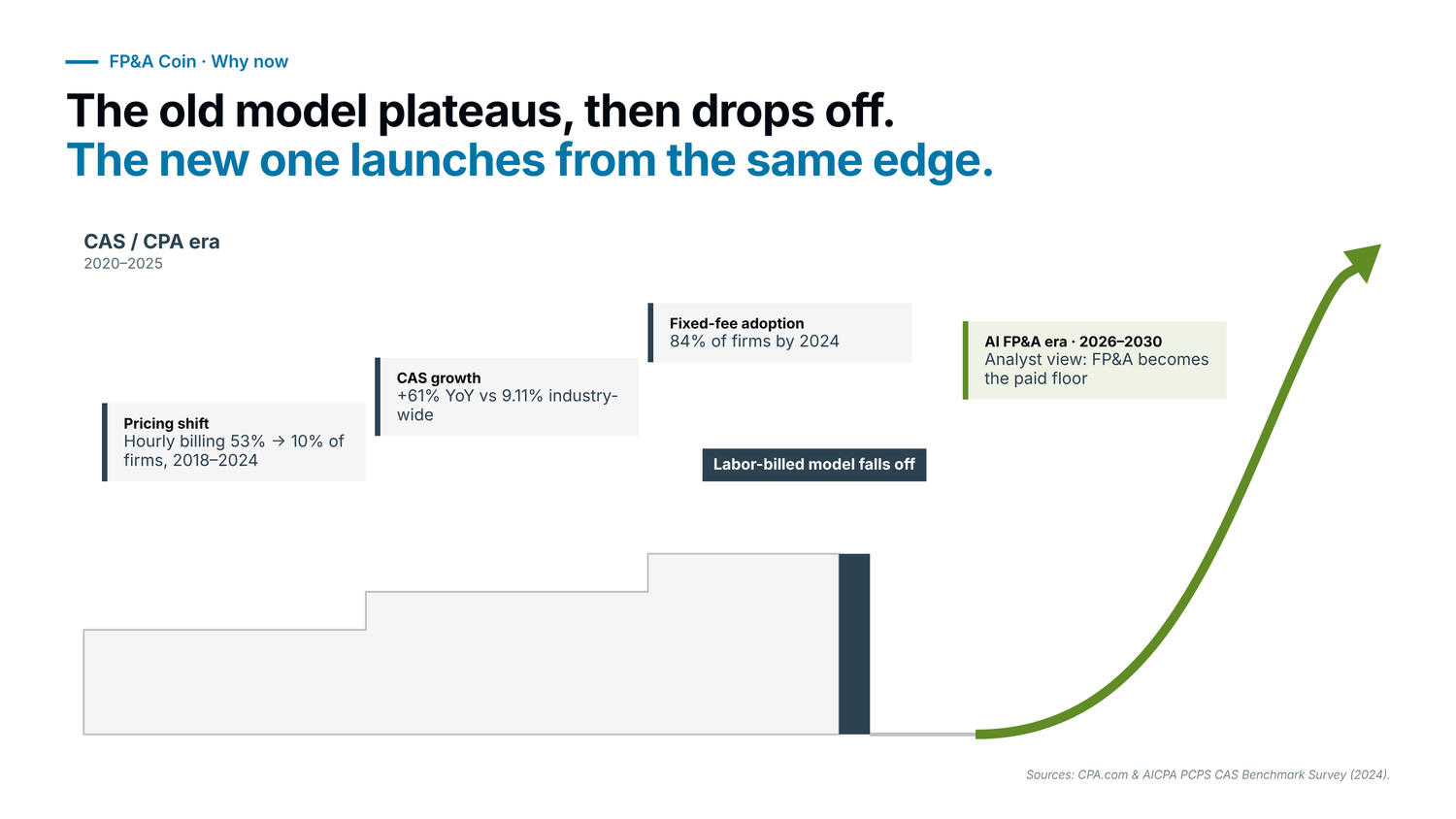
Figure 3 — The old model plateaus, then drops off.
Five findings
Software monetized the category, twice. The second exit came cheaper.
Services that own the CFO's office get priced like software. The premium follows technology, not headcount.
The pricing shift stalled halfway. Firms left the hour; almost none price the outcome.
The $1–50M services-plus-software firm barely exists. Only a handful of innovators; the lane is open.
The maturity gap. Levels 3–5 have no confirmed provider yet.
01 · Software monetized the category — twice, and the second time cheaper
Anaplan returned roughly 35x on about $300M raised.1 Adaptive Insights sold to Workday for $1.55B, filing its S-1 and selling 25 days later.3 Then, in January 2026, Hg agreed to take OneStream private for $6.4B: about 9.5x trailing revenue, and roughly flat with the $6B valuation of its 2021 round.16,17,18 Behind them, five still-private planning platforms have raised about $1.95B between them and returned none of it yet.1,2 The category has exits, but the ladder is short, and the second rung came cheaper than the first.
Table 1 — The FP&A software exit ladder
| Company | Capital raised | Exit value | Buyer · year | Out ÷ in |
|---|---|---|---|---|
| Anaplan | ~$300M | $10.4B | Thoma Bravo · 2022 | ~35x |
| OneStream | ~$560M* | $6.4B | Hg · 2026 | ~11x |
| Adaptive Insights | $176M | $1.55B | Workday · 2018 | ~8.8x |
| insightsoftware | $1.0B | — | Still private | — |
| Pigment | $401M | — | Still private | — |
| Vena Solutions | $329M | — | Still private | — |
| Datarails | $188M | — | Still private | — |
Sources: Grata funding and transactions (Sep 2026); Crunchbase (Sep 2026); Adaptive Insights S-1; OneStream filings; Hg (Jan 2026). *Disclosed primary capital; KKR's 2019 investment was not disclosed.
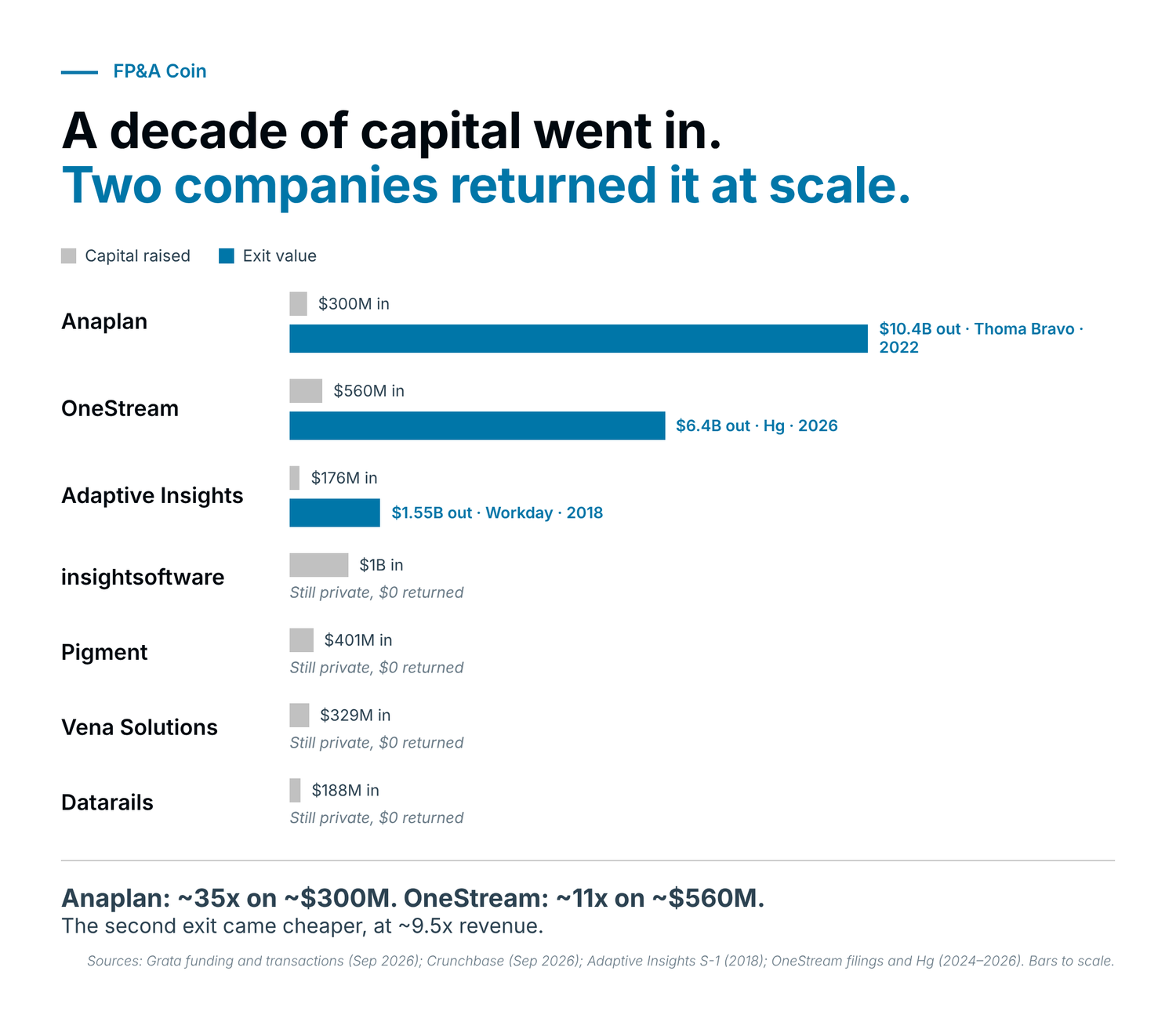
Figure 4 — A decade of capital went in. Two companies returned it at scale.
02 · Services that own the CFO's office get priced like software
CFGI sold to CVC at $1.85B of enterprise value — $2.82M per head. Prophix, a planning-software company, sold to Hg at about $656K per head.1 The services firm was priced closer to Anaplan than the software was. In July, Grant Thornton agreed to pay a 54% premium for CBIZ, and its stated reason was to "accelerate technology and AI-enabled service delivery."4 Grant Thornton was paying for technology, not headcount.
Table 2 — Enterprise value per head at change of control
| Company | Model | Buyer | EV per head |
|---|---|---|---|
| Anaplan | Software | Thoma Bravo | $4.69M |
| CFGI | Services | CVC | $2.82M |
| Prophix | Software | Hg | $0.66M |
| Marcum (non-attest) | Services | CBIZ | $0.42M |
| CBIZ | Services | Grant Thornton (pending) | $0.37M |
Sources: Grata (Sep 2026); Grant Thornton Advisors / CBIZ release (Jul 2026). CBIZ at the pending $5.0B deal.
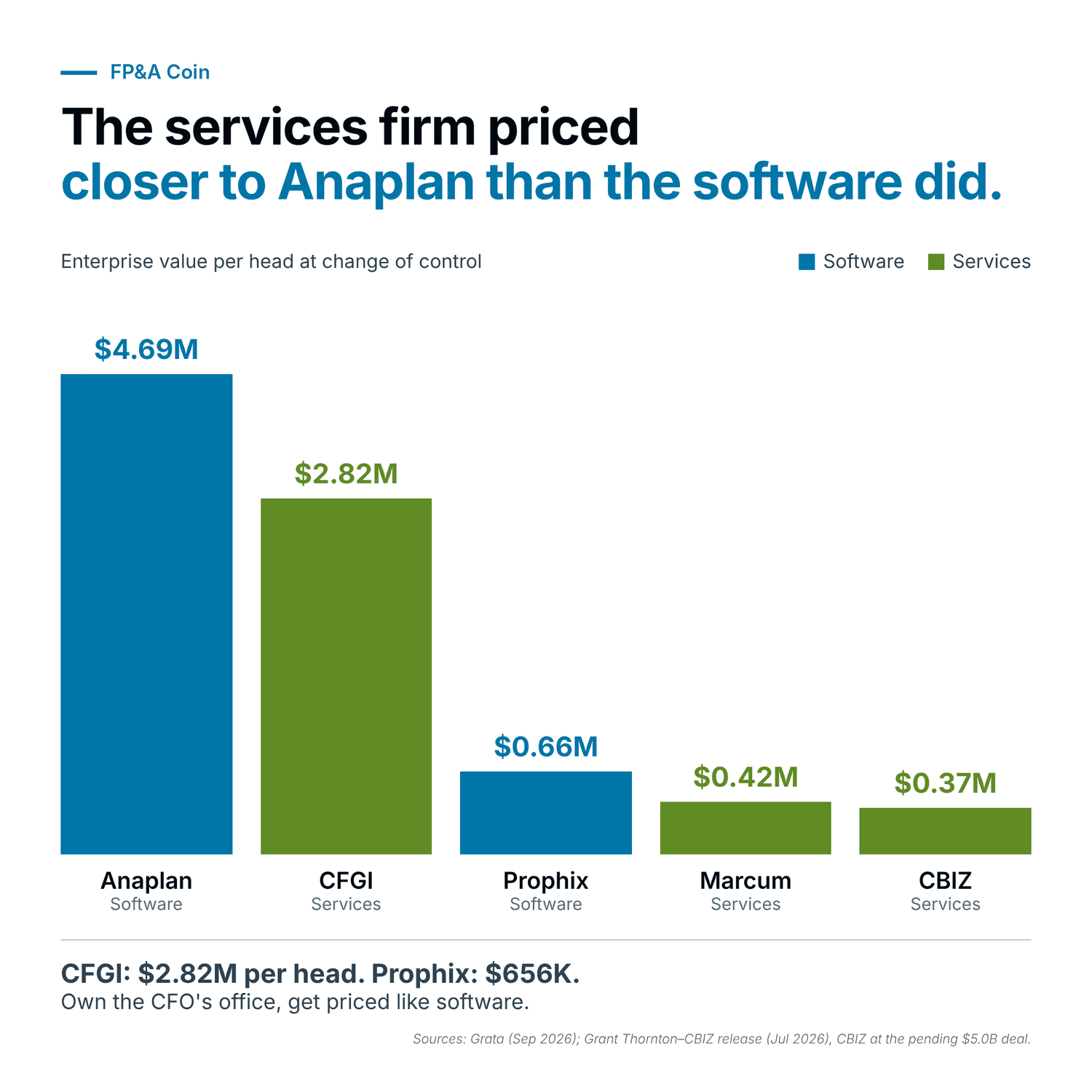
Figure 5 — Enterprise value per head at change of control.
03 · The pricing shift stalled halfway
Hourly billing fell from 53% of accounting-services firms in 2018 to 10% in 2024, and 84% now charge a fixed fee. Yet only 2% price on value.6 Firms left the billable hour, but almost none arrived at pricing on the outcome. Meanwhile, AI is pricing out the offshore labor-rate savings those fixed fees quietly depend on.
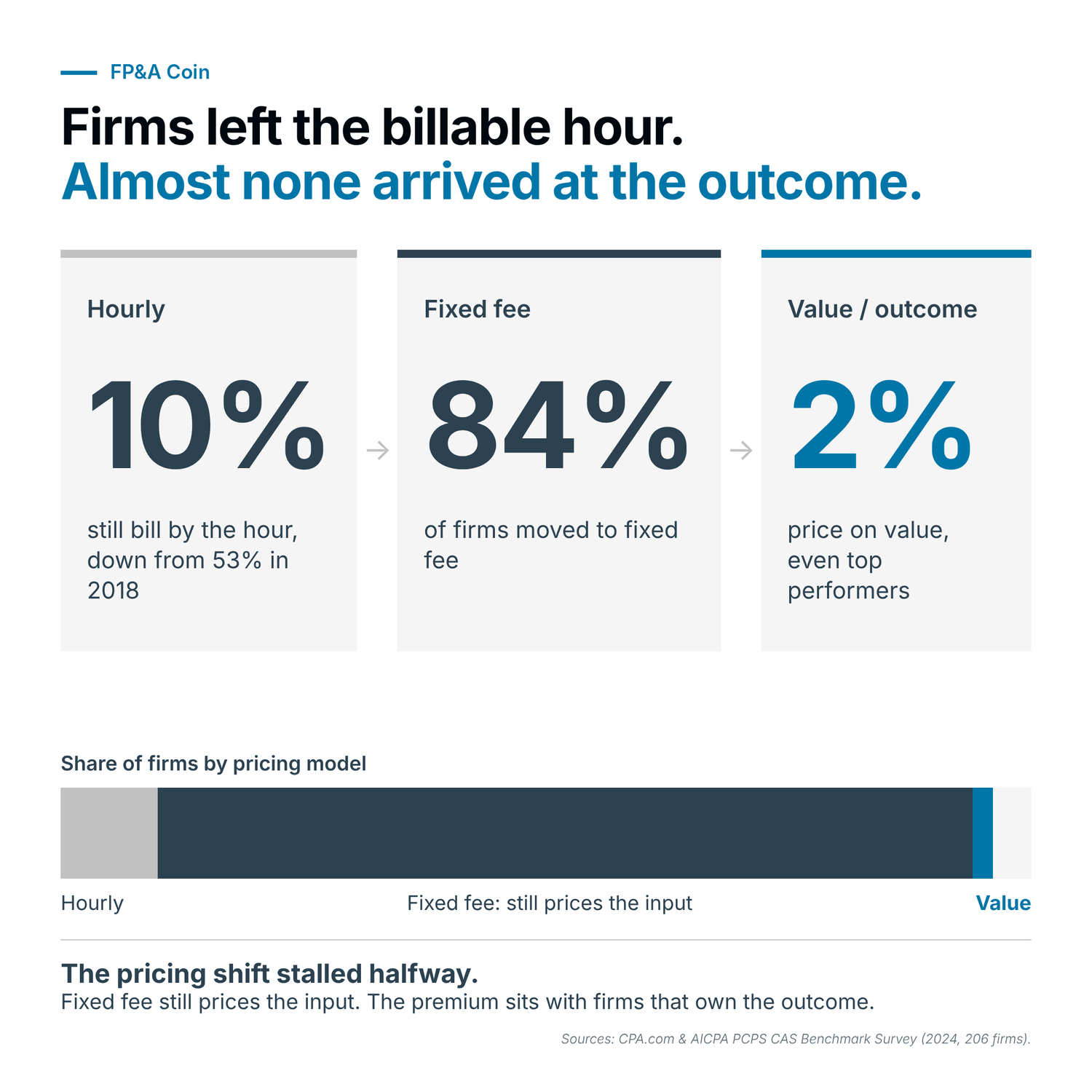
Figure 6 — Firms left the billable hour. Almost none arrived at the outcome.
04 · The $1–50M FP&A services-plus-software firm barely exists
We screened 208 candidates from DealNet, Crunchbase and Grata against the Thesis Coin gate. Only a handful are innovative contenders that pair services with software they own. Seven Tier B firms have a confirmed delivery model with other criteria still open, and the rest are services firms running an old tech stack.12 None of the three investment banks that cover the Office of the CFO names FP&A delivery as a category of its own.10 This is a thin result, not a data gap, and it means very little competition for the lane.
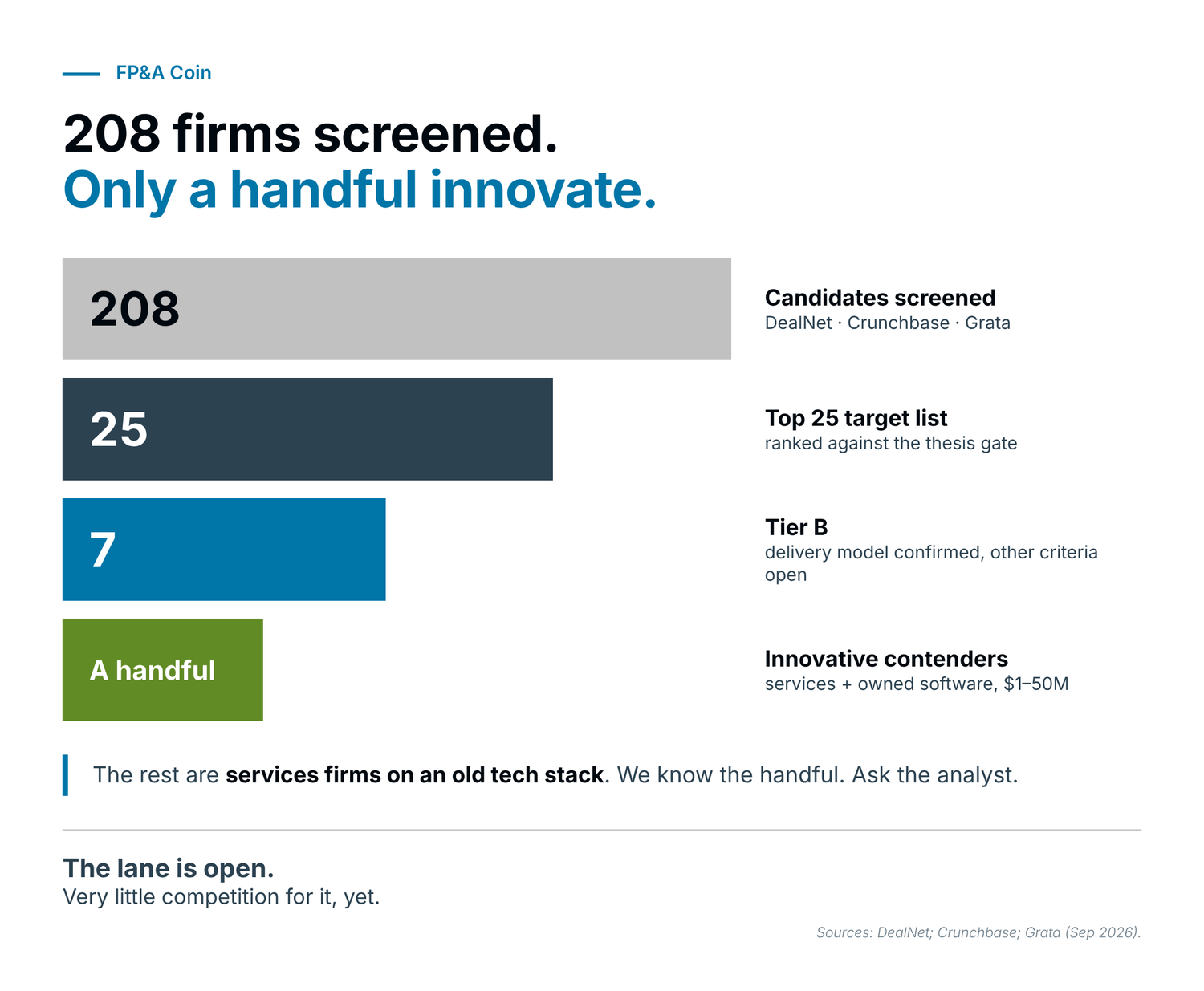
Figure 7 — 208 firms screened. Only a handful innovate.
05 · The maturity gap — coming next
Among screened candidates, Levels 3–5 of FP&A maturity — continuous planning, true decision support and outcome-owned FP&A — have no confirmed provider yet. The full maturity grading is in research now.
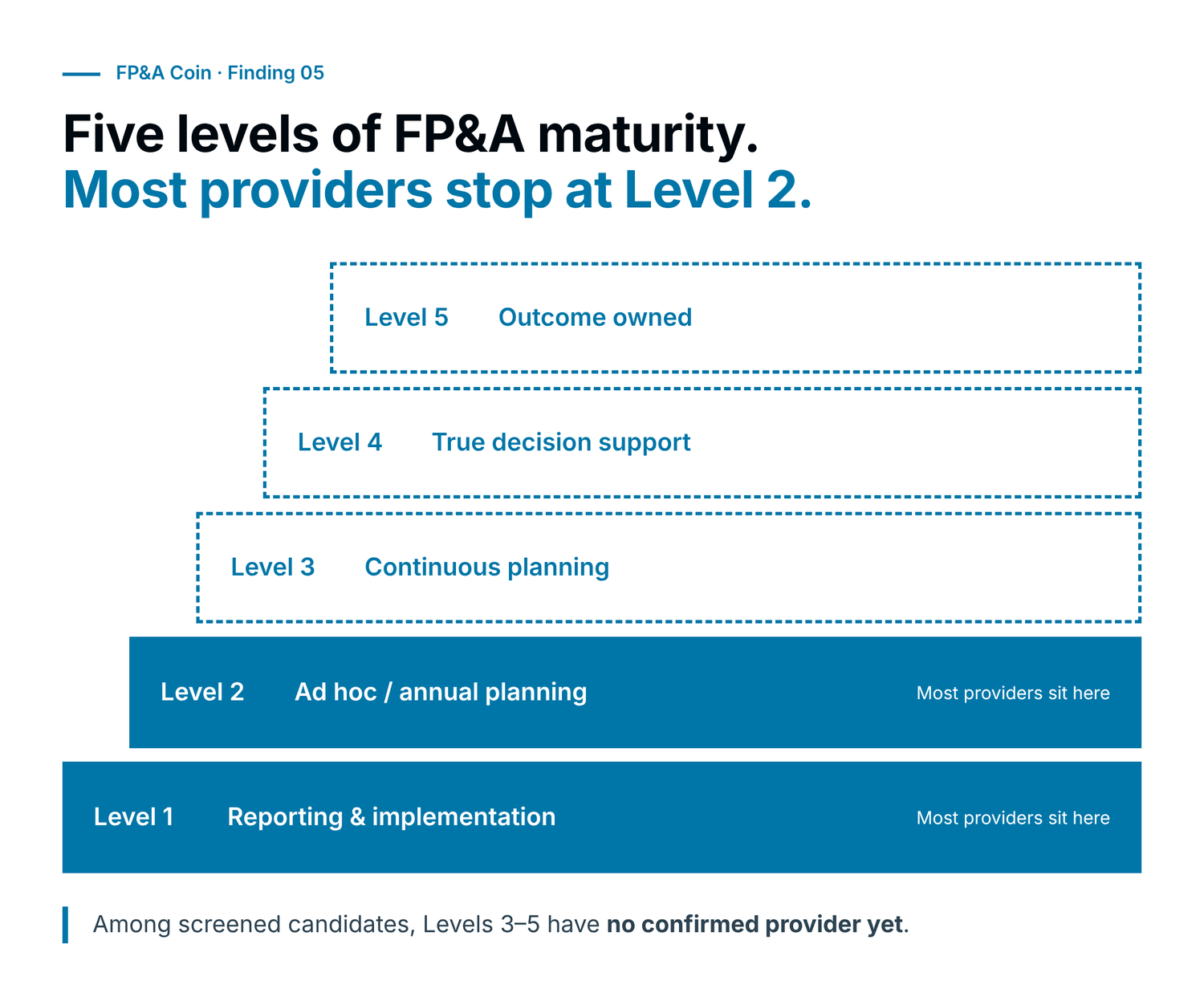
Figure 8 — Five levels of FP&A maturity. Most providers stop at Level 2.
Exhibit: neither half wins alone
The failures run in both directions. Services-only firms — E78 Partners, inDinero and Escalon among them — fail the Thesis Coin gate for the same reason: they deliver FP&A as a labor model, with no owned solution. They scale with headcount and price the input.
Software-only failed in the market. ScaleFactor, the Austin, Texas bookkeeping-automation startup, raised about $103M and shut down in June 2020.11 It was not alone. Bench, which raised more than $100M, shut down in December 2024, and Botkeeper, about $90M raised, announced its closure in February 2026.14,15 My read: each shipped automation with no services layer to implement it.
People forget that early SaaS came with services. Salesforce in CRM, and Eloqua and HubSpot in martech, all paired the software with onboarding, implementation and partner ecosystems. The winners owned both. FP&A hasn't paired them yet — and that is the lane.
Table 3 — Neither half wins alone
| Company | Model | Capital | Outcome |
|---|---|---|---|
| ScaleFactor | Software only | ~$103M VC | Shut down, Jun 2020 |
| Bench | Software-led | $100M+ VC | Shut down, Dec 2024 |
| Botkeeper | Software only | ~$90M VC | Closure announced, Feb 2026 |
| E78 Partners | Services only | PE-backed | Failed the gate: labor model |
| inDinero | Services only | VC-backed | Failed the gate: labor model |
| Escalon | Services only | PE-backed | Failed the gate: labor model |
Sources: Silicon Hills News and Forbes (Jun 2020); GeekWire (Dec 2024); CPA Practice Advisor (Feb 2026); DealNet.
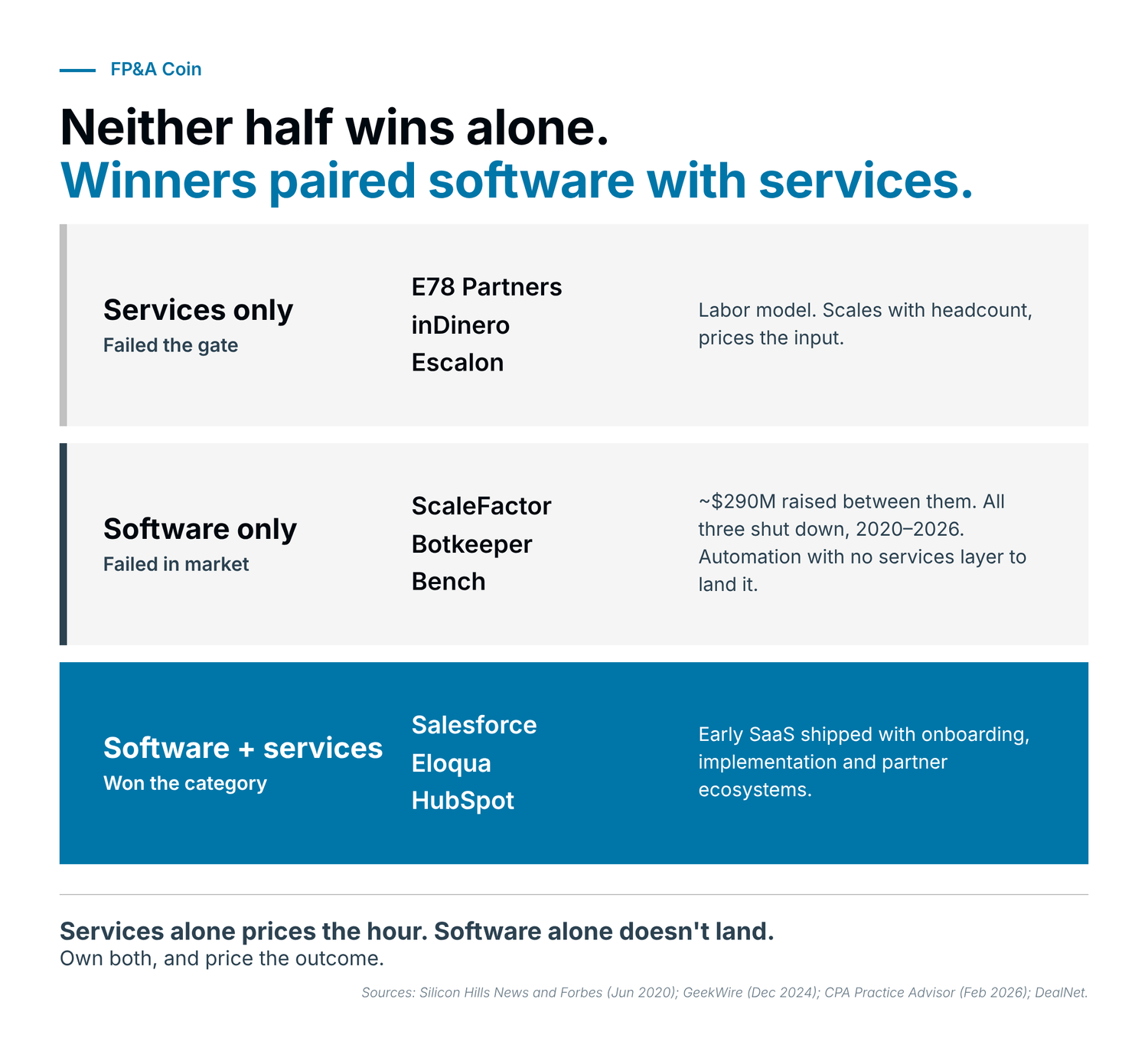
Figure 9 — Neither half wins alone. The winners paired software with services.
The unit economics: labor or leverage
The same work runs on two economics. Under the labor model, a firm bills hours of bookkeeping, reconciliation and compliance, and its margin scales with headcount — compressing as AI automates the task layer. Under the solution model, a firm bills for the outcome (the forecast, the variance, budget-to-actual), and the margin comes from software, not headcount.
Rate arbitrage is the model being defended. A US FP&A analyst bills about $66 an hour against about $6 in the Philippines13 — exactly the spread AI is now pricing out.
Table 4 — Labor model vs solution model
| Labor model | Solution model | |
|---|---|---|
| What's billed | Hours of bookkeeping, reconciliation and compliance | Forecast, variance and budget-to-actual outcomes |
| How it prices | By the hour, or a fixed fee that still prices the input | On the outcome |
| Where margin sits | Headcount-scaled, compressing as AI automates tasks | Software-enabled advisory margin |
| Rate exposure | US analyst ~$66/hr vs ~$6 offshore | Not priced on labor rate |
Sources: 2024 CPA.com & AICPA PCPS CAS Benchmark Survey; published US and offshore rate guides.
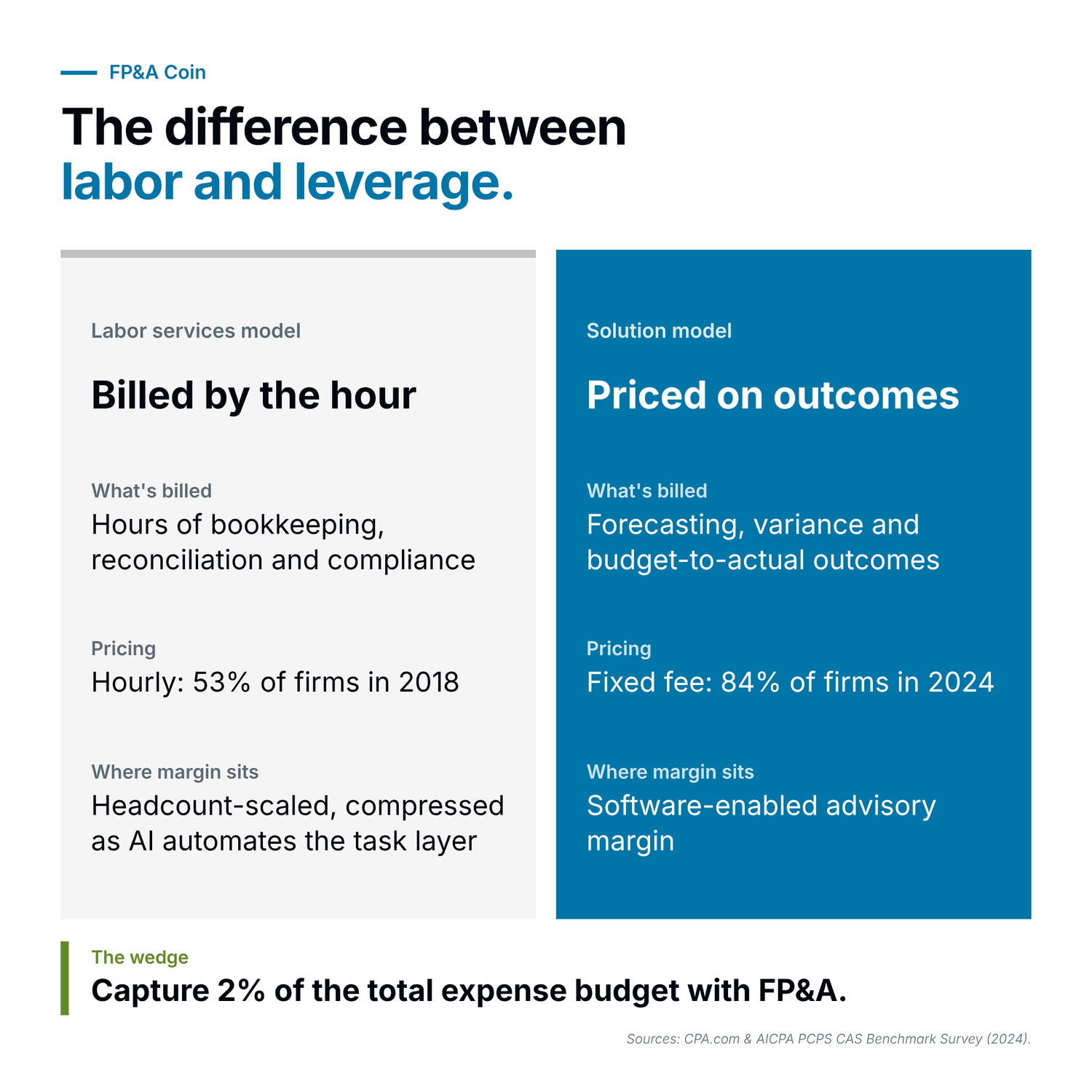
Figure 10 — The difference between labor and leverage.
The pattern read — and who re-rates
Software and services had the same decade and the same buyer, but completely different capital outcomes. Software produced three named exits between $1.5B and $10.4B (Adaptive Insights, OneStream and Anaplan) and still commands a 40% premium for AI-native platforms.10 Services has no equivalent exit ladder: its largest recent deal was a scale roll-up, not a premium exit.
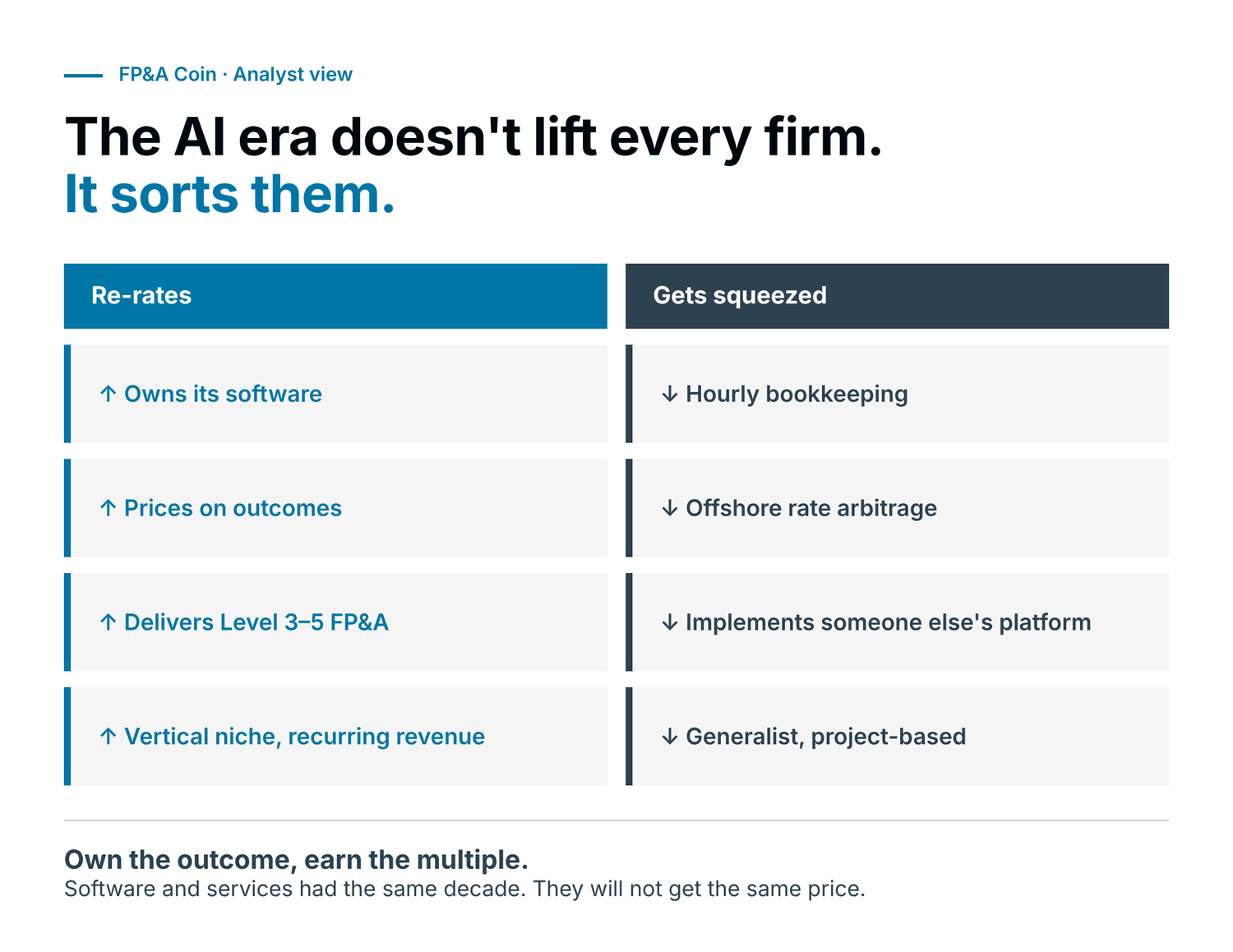
Figure 11 — Who re-rates, who gets squeezed: analyst view.
Two more cuts are in analyst coverage now and publish this Winter 26/27: where each $1 of finance-function spend goes, and what $5–50M FP&A, CAS and F&A services deals actually paid.
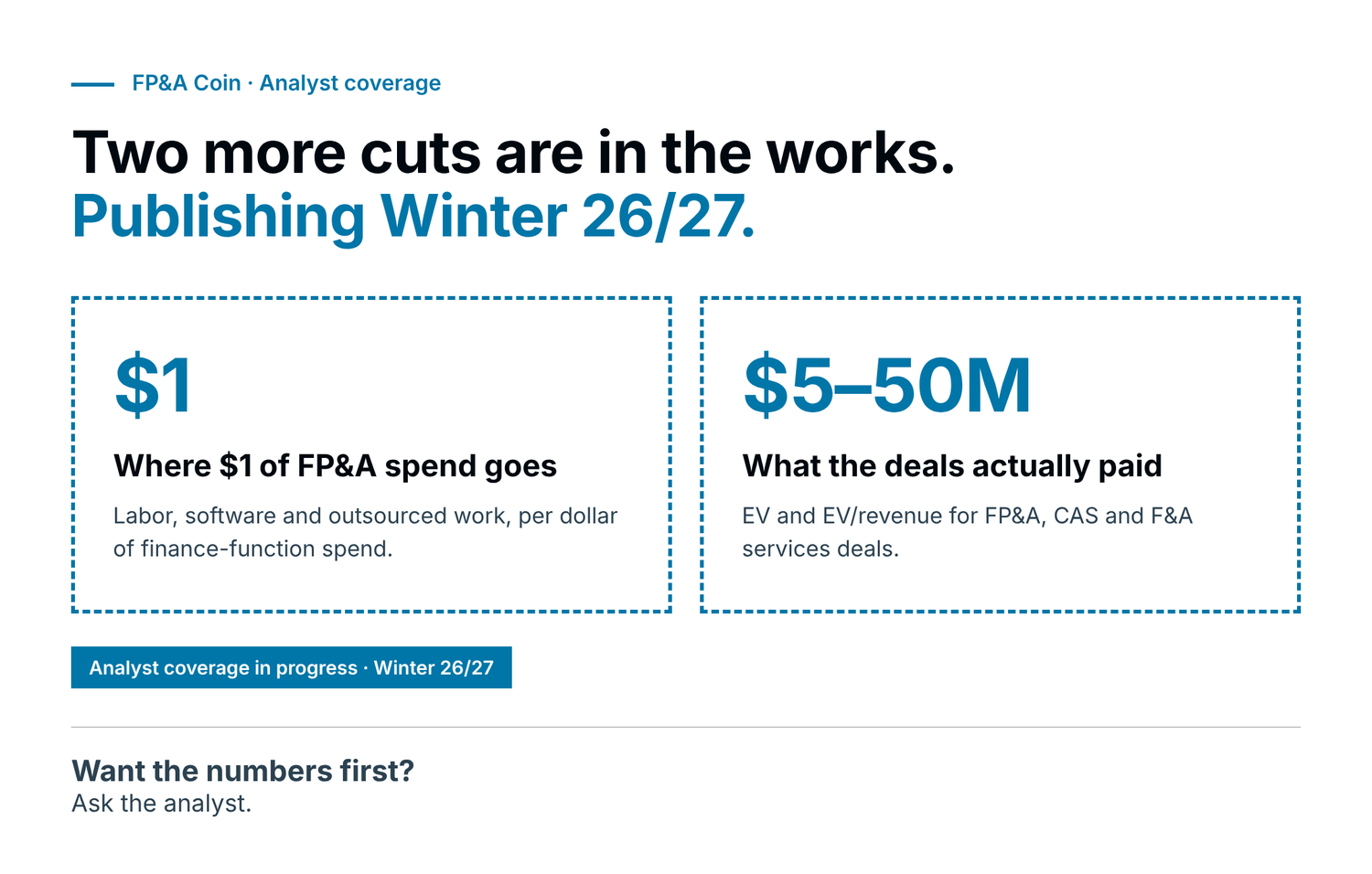
Figure 12 — Analyst coverage in progress, publishing Winter 26/27.
Case studies: how firms reached the CFO's office
Adaptive Insights — sold on the eve of its IPO. Adaptive raised $176M over 15 years, filed to go public, and sold to Workday for $1.55B 25 days later, at 14.6x trailing revenue.3 A good venture outcome at 8.8x return on capital — and still one of only two exits of that size the category has produced.
Marcum, CBIZ — and then Grant Thornton. CBIZ paid $2.3B for Marcum's non-attest business in 2024, describing the deal as adding "breadth of services and depth of expertise" — the language of scale, with no software rationale.5 Twenty months later, Grant Thornton agreed to buy CBIZ for $5.0B at a 54% premium, framed around technology and AI-enabled delivery.4 The premium did not go to the firm with the advisory depth. It went to the platform that could credibly talk about technology.
Where this lands for you
Owners: if your firm bills hours, you are being valued on a model the market is repricing. The premium sits with owned software and outcome pricing — and you can build both before a sale, not after.
Operators: the build-versus-buy question has moved. Acquiring the delivery layer is now cheaper than the software it wraps, and software multiples are compressing toward it.
Sponsors: investors in this space are running a software-consolidation thesis. The lane nobody covers is services firms with their own software at $1–50M of revenue. It has no published comp set and very little competition for it.
If your comp set still treats FP&A as either software or services, you are pricing against half the market. We've mapped the maturity levels, screened the field and graded the contenders. Book a confidential briefing and I'll walk you through where you sit and what it's worth.
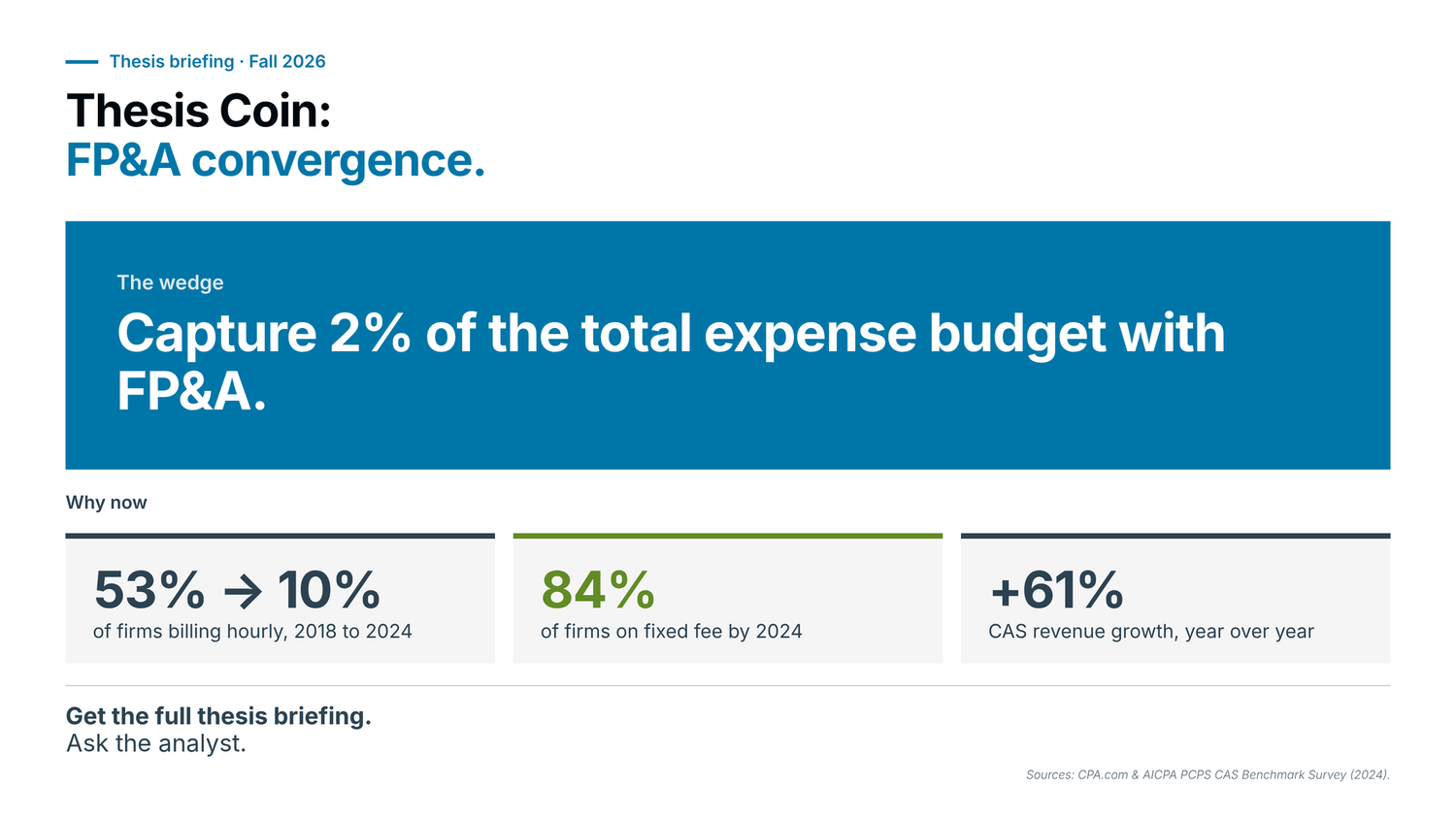
Figure 13 — Thesis Coin: capture 2% of the total expense budget with FP&A.
Book your FP&A briefing with the analyst →
Sources
1. Grata transaction records and funding history (pulled Sep 22, 2026).
2. Crunchbase export (Sep 21, 2026).
3. Adaptive Insights S-1 (May 17, 2018).
4. Grant Thornton Advisors / CBIZ, GlobeNewswire (Jul 29, 2026).
5. CBIZ, "CBIZ Completes Acquisition of Marcum" (Nov 2024).
6. 2024 CPA.com & AICPA PCPS CAS Benchmark Survey (206 firms).
7. AFP FP&A Benchmarking Survey (Jan 2025).
8. APQC close-cycle benchmark.
9. Forbes, "Why Finance Teams Aren't Using The Tools CFOs Bought Them" (Aug 20, 2026).
10. Investment-bank sector research covering the Office of the CFO (Apr–Aug 2026).
11. ScaleFactor per Silicon Hills News and Forbes (Jun 23, 2020).
12. DealNet analyst screen, Thesis Coin grading (Sep 2026).
13. Hourly rates compiled from published US and offshore rate guides.
14. GeekWire, Bench Accounting shutdown (Dec 27, 2024).
15. CPA Practice Advisor, "Botkeeper Is Closing Its Doors" (Feb 9, 2026).
16. Hg, "OneStream enters into definitive agreement to be acquired by Hg for $6.4 billion" (Jan 6, 2026).
17. OneStream, fourth quarter and fiscal year 2025 results, Form 8-K (Feb 2026).
18. OneStream, $200M investment at $6B valuation (Apr 2021); Alternatives Watch (Apr 2, 2026).
The Level 1–5 framework, firm classifications and all interpretation are this analyst's own.
